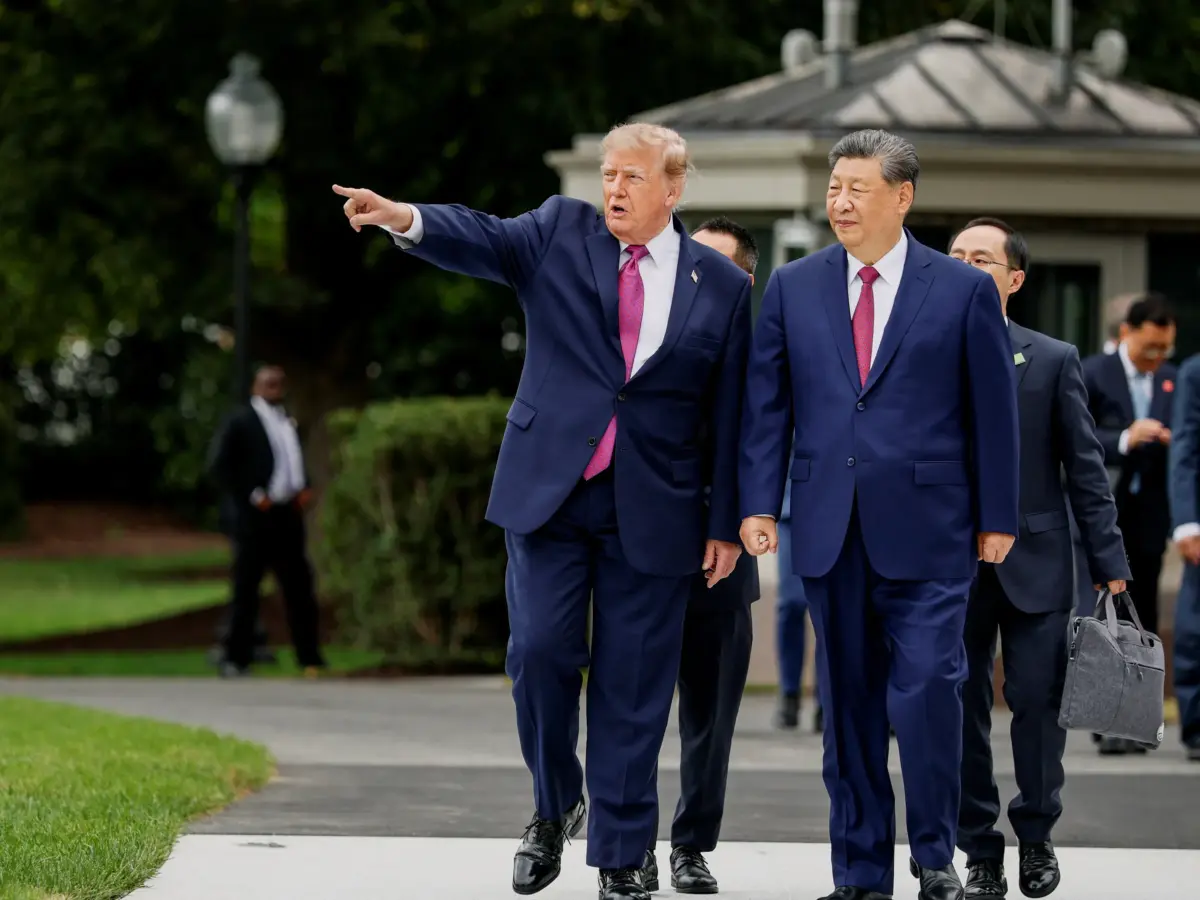
President Donald Trump recently hosted Chinese President Xi Jinping for a three day visit defined by lavish hospitality, featuring everything from tours of the National Archives to a state dinner serving sesame crusted sea bass. While the president described the meetings as highly productive and claimed that relations between the two nations have never been better, the opulent reception sparked immediate backlash from within his own party. Senator Roger Wicker, the Republican chairman of the Senate Armed Services Committee, criticized the warmth of the welcome, suggesting that the administration should have used the opportunity to apply harder pressure on China regarding its relationship with Iran and its actions toward Taiwan.
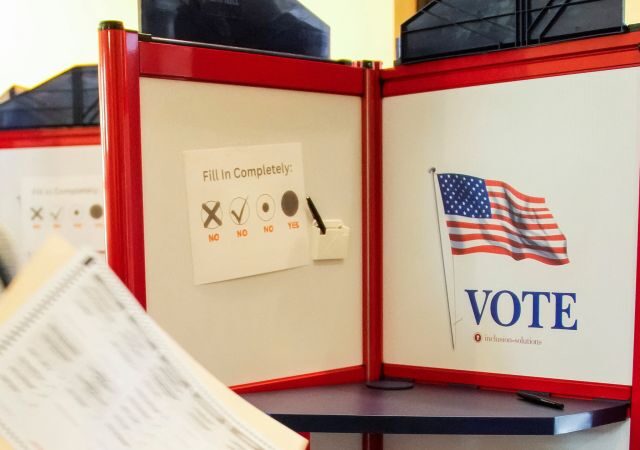
This internal friction arrives at a precarious moment for the president as he prepares for the November midterm elections. Despite pledging to campaign aggressively in dozens of competitive races across states like Texas and Alaska, Trump has spent much of September focused on international diplomacy. From trips to Ireland to fiery speeches at the United Nations where he threatened to annihilate Iran, his attention has remained fixed on global affairs even as domestic frustrations mount. This focus has created a disconnect with many GOP candidates who are now distancing themselves from the president’s endorsements to avoid being tied to his controversial foreign policy decisions.
The primary source of tension for voters appears to be their wallets. Record high diesel costs and surging gas prices have turned the cost of living into a dominant campaign issue, leaving many Americans feeling abandoned by the White House. John Pitney Jr., a politics professor at Claremont McKenna College, noted that while managing foreign policy is expected of any president, Trump’s dismissive attitude toward the economic fallout of conflict is particularly damaging. When voters see rising prices at the pump, it serves as a constant reminder of a war effort that many feel outweighs its benefits.
Recent polling paints a grim picture for the administration, with approval ratings plummeting to thirty two percent, marking a low point in Trump’s political career. A significant majority of voters express disapproval over his handling of both the economy and foreign affairs, specifically citing worries over grocery bills and healthcare costs_ Especially among rural voters who previously formed a bedrock of support for Trump, there is growing anxiety about basic affordability. As midterms approach, these financial pressures are creating a widening gap between the president’s optimistic view of his diplomatic achievements and a public struggling with daily expenses.